
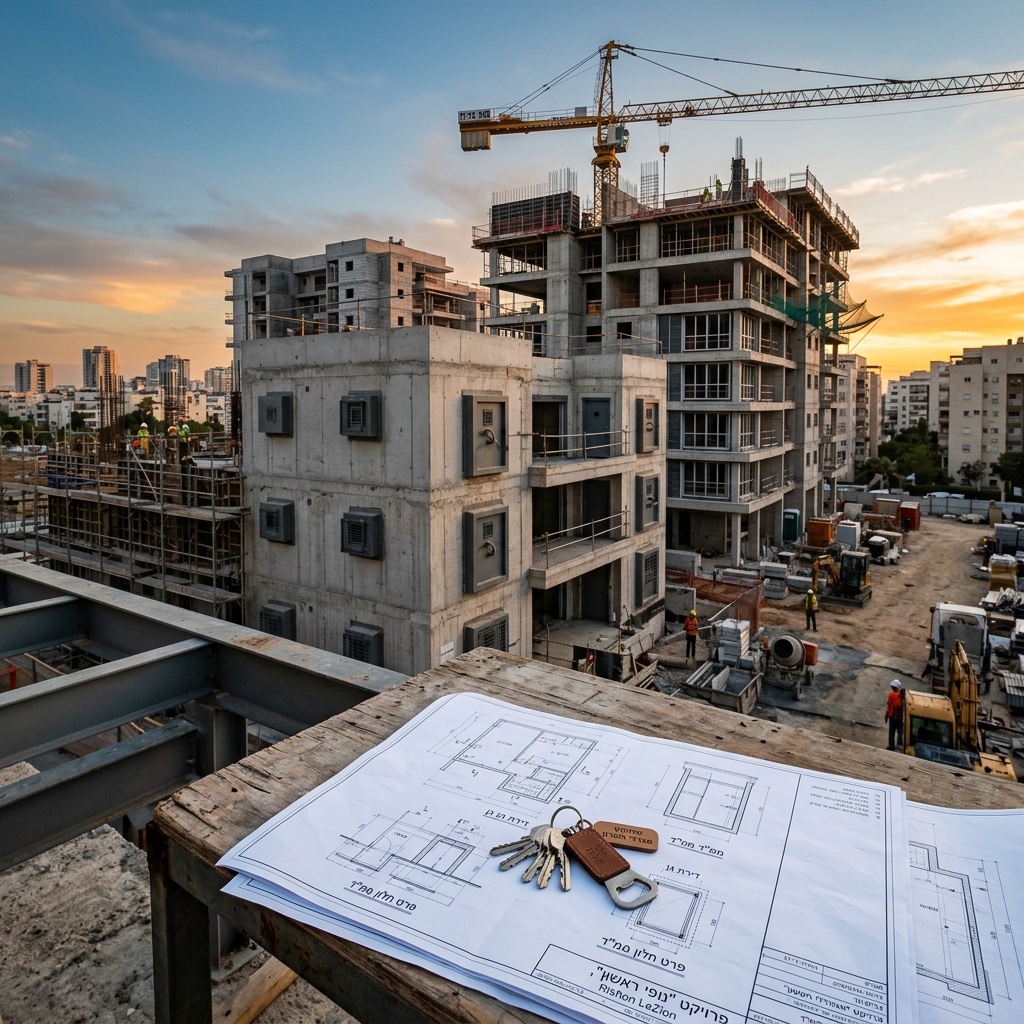

האם מכירת זכויות במגרש ריק במסגרת עסקת קומבינציה מחייבת בתשלום היטל השבחה בגין שטחי הממ״ד העתידיים? החלטה חדשה של ועדת הערר מחוז מרכז עושה סדר בנושא ומסמנת מהפך לטובת בעלי המקרקעין והיזמים בישראל.
Does selling land rights as part of a combination transaction trigger a betterment levy (Heitel Hashbacha) on future residential protected spaces (Mamad)? A recent decision by the Planning and Building Appeal Committee clarifies the rules, signaling a major victory for landowners and developers.
במציאות הביטחונית של מדינת ישראל, הקמת מרחב מוגן דירתי (ממ"ד) היא צורך חיוני ומציל חיים. כדי לעודד בעלי נכסים לבנות ממ"דים, קבע המחוקק פטור מפורש מתשלום היטל השבחה על שטחי הממ"ד (עד לנטו של 9 מ"ר). עם זאת, לאורך השנים התגלעה מחלוקת קשה בין ועדות התכנון המקומיות לבין הנישומים: האם הפטור הזה תקף גם כאשר בעלי הקרקע אינם בונים את הממ"ד בעצמם, אלא מוכרים את הקרקע ליזם במסגרת עסקת קומבינציה?
Given Israel's ongoing security challenges, constructing a residential protected space (Mamad) is a vital, life-saving necessity. To incentivize owners to build these spaces, the legislature established a clear statutory exemption from betterment levies for Mamad areas (up to 9 square meters net). However, local planning committees have long contested this, arguing that when landowners enter into a combination transaction (selling a percentage of their land to a developer in exchange for built units), this represents a taxable "realization by sale" rather than actual construction, making the exemption inapplicable.
רקע: המחלוקת במתחם ה-1000 בראשון לציון
Background: The Dispute in Rishon LeZion's "1000 Complex"
המקרה הנדון עסק במגרש במתחם ה-1000 המבוקש בראשון לציון. בעלי המגרש חתמו על הסכם קומבינציה עם חברה קבלנית, במסגרתו מכרו לה חלק מזכויותיהם בקרקע בתמורה לכך שהיזם יבנה עבורם דירות מגורים חדשות הכוללות ממ"דים. הוועדה המקומית דרשה מהבעלים לשלם היטל השבחה מלא על שטחי הממ"דים המתוכננים בבניין, בטענה שהפטור לא חל על שלב המכר אלא לכל היותר על שלב היתר הבנייה. השמאי המכריע שנקבע בתיק דחה את דרישת הוועדה המקומית, וזו ערערה לוועדת הערר.
The case centered around a plot in Rishon LeZion's highly sought-after "1000 Complex," where a unification and division plan had been approved to allow construction. The landowners entered into a combination deal with a construction company, transferring a portion of their land rights. In return, the developer committed to building new residential apartments for the owners, complete with Mamads. The Local Committee demanded a full betterment levy on the planned Mamad areas, claiming that the exemption did not apply at the transaction phase. The deciding appraiser rejected the Local Committee’s demand, prompting the committee to appeal.
החלטת ועדת הערר: שתי קביעות משפטיות מרכזיות
The Appeal Committee's Decision: Two Landmark Legal Findings
ועדת הערר בראשות עו"ד עמית אופק דחתה את ערר הוועדה המקומית וקבעה כי אין לגבות היטל השבחה בגין הממ"דים, על בסיס שני נימוקים מהותיים:
The Appeal Committee chaired by Adv. Amit Ofek dismissed the Local Committee's appeal and ruled that no betterment levy was due on the Mamad areas, based on two essential arguments:
- היעדר השבחה - שטחי הממ"ד מוקנים מכוח החוק, לא מכוח התוכנית: ועדת הערר קבעה כי זכות הבנייה לממ"ד אינה נובעת מאישור תוכנית זו או אחרת, אלא מדובר בחובה וזכות סטטוטורית שנקבעו ישירות בחוק ההתגוננות האזרחית, התשי"א-1951, ובסעיף 151(ג) לחוק התכנון והבנייה. מאחר שהזכות לבנות ממ"ד קיימת לבעלי מקרקעין בכל מצב תכנוני כברירת מחדל חוקית, הרי שאישור תוכנית המקצה שטחים לממ"ד אינו מייצר "השבחה" (עליית ערך הנובעת מפעולה תכנונית). בהיעדר השבחה תכנונית – אין בכלל בסיס חוקי לגביית היטל השבחה מלכתחילה, בין אם מדובר במימוש בהיתר ובין אם מדובר במכירת הקרקע. הוועדה השוותה זאת לדין החל על גזוזטראות (מרפסות זיז) שנקבע בפסיקה כי אינן מקימות חבות בהיטל. No Betterment Exists - Mamad Rights Derive from the Law, Not the Plan: The Appeal Committee established that the right to build a Mamad does not originate from a specific municipal zoning plan. Rather, it is a statutory right and obligation under the Civil Defense Law and Section 151(c) of the Planning and Building Law. Because the right to build a Mamad is guaranteed to landowners by primary legislation under any planning scenario, the approval of a plan allocating these spaces does not generate a taxable "betterment" (an increase in value resulting from a planning decision). Without betterment, there is no legal basis to charge a levy, whether through a permit application or a property sale. The committee compared this to balconies, which are similarly excluded from betterment taxation.
- תכלית הפטור - עידוד בניית ממ"דים בפועל: גם אם היה ניתן לראות בתוספת השטח משום השבחה, הרי שיש להחיל את הפטור כאשר ההסכם משרת את מטרתו המקורית – עידוד בניית ממ"דים בפועל. בעסקת קומבינציה, שבה כל ההיגיון הכלכלי והמשפטי תלוי בבנייה, מדובר במימוש שנועד להוביל ישירות להקמת דירות מגורים הכוללות ממ"דים. מניעת הפטור בעסקה כזו רק בשל "מועדים פורמליים" (עצם החתימה לפני מתן ההיתר) תחטיא את מטרת המחוקק ותעכב פרויקטים של מיגון. The Exemption’s Purpose - Promoting Construction of Protected Spaces: Even if Mamad spaces theoretically represented a value increase, the exemption's purpose is to act as a financial incentive to encourage actual construction. A combination deal is the primary financial mechanism enabling landowners to execute residential building projects. Denying the exemption in such deals based on formalistic timelines (such as signing before a permit is formally issued) would undermine the legislative goal and delay critical security upgrades.
קביעת אינדיקציות לבחינת הסכמים מותני בנייה
Establishing Indicators for Construction-Dependent Deals
כדי למנוע אי-ודאות ולסכל מניפולציות חוזיות, התוותה ועדת הערר רשימת סימנים (אינדיקציות) שיש לבחון כדי לקבוע האם הסכם מכר קשור ישירות לבניית הממ"דים בפועל באופן המצדיק את הפטור:
To prevent uncertainty and avoid contractual manipulations, the Appeal Committee outlined a non-exhaustive list of indicators to verify whether a sales contract is directly and necessarily linked to the physical construction of the Mamads:
- תנאי מתלה: האם קיים תנאי מתלה להסכם שמהותו קבלת היתר הבנייה? Suspensive Condition: Is the agreement conditioned upon receiving a building permit?
- נטילת אחריות: האם הרוכש (היזם) נוטל על עצמו את כל האחריות לבנייה בפועל? Assumption of Responsibility: Does the purchaser (developer) assume full responsibility for the construction?
- תמורה בדירות בנויות: האם בעל הזכויות המקורי מקבל יחידות דיור בנויות כחלק מהתמורה (ולא כסף מזומן)? Built Units as Consideration: Does the original owner receive newly built apartments as consideration rather than direct cash?
- לוח זמנים מחייב: האם קיים לוח זמנים מחייב להגשת הבקשות להיתר ולסיום הבנייה? Binding Timetable: Is there a strict, binding timeline for submitting permits and finishing construction?
- היעדר הצדקה כלכלית: האם להסכם אין כל קיום או הצדקה כלכלית ללא ביצוע הבנייה בפועל? Economic Viability: Does the agreement lack economic feasibility without actual construction?
במקרה זה, כל התנאים התקיימו במלואם: העסקה הייתה מותנית בקבלת היתר בנייה, ללא בנייה לא הייתה לה כל הצדקה כלכלית, והיא יצרה זיקה ישירה ומחייבת לבנייה בפועל של הממ"דים על ידי היזם.
In this case, all indicators were met: the transaction was conditioned on obtaining a building permit, had no economic feasibility without construction, and directly led to the physical building of the Mamads by the developer.
השורה התחתונה
The Bottom Line
ההחלטה מחזקת את עמדת הנישומים בשומות היטל השבחה על שטחי ממ"ד בעסקאות קומבינציה. עם זאת, מדובר בהחלטת ועדת ערר — לא בהלכה מחייבת של בית המשפט — וכל מקרה ייבחן לפי נסיבותיו. מי שמתכנן עסקת קומבינציה ייטיב לעשות אם יבנה את ההסכם מראש בהתאם.
This ruling provides critical protection to landowners and developers against inflated betterment levy demands. It represents a common-sense, purposeful legal interpretation that safeguards the most vital public interest – accelerating the construction of life-saving protected spaces, favoring substance over dry formalism.
מראה מקום פסק הדין:
[ערר (ועדות ערר - תכנון ובנייה מרכז) 8001-01-25 הוועדה המקומית לתכנון ובניה ראשון לציון נ' ישעיהו זילונקה ואח' (נבו 3.12.2025)].
Case citation: Appeal 8001-01-25, Local Planning and Building Committee of Rishon LeZion v. Zilonka et al., Central District Planning Appeal Committee (Nevo, Dec. 3, 2025) - with the original Hebrew citation in parentheses if desired. Breadcrumb: "Case Law Updates".