
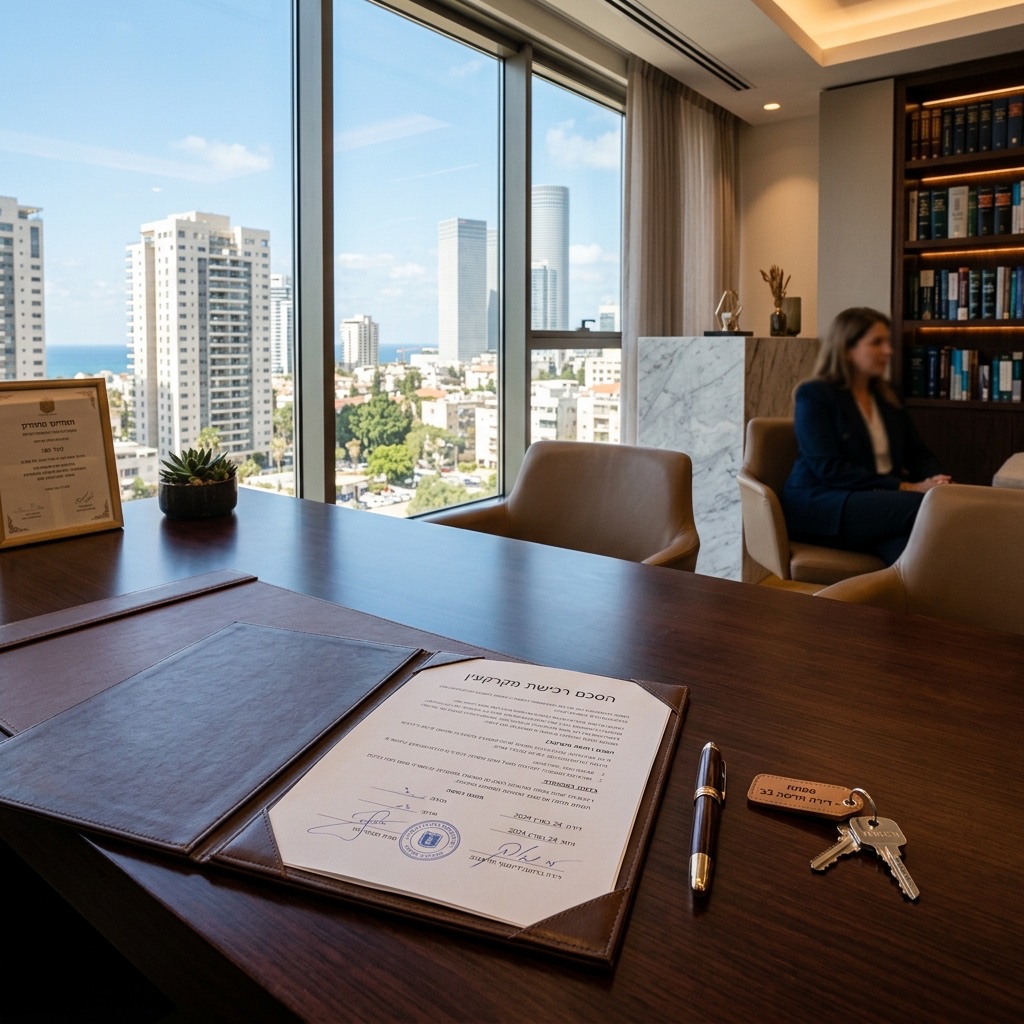

Purchasing a second-hand apartment is one of the most significant financial transactions in a person's life. To ensure that your money is invested safely and that you will not encounter unpleasant surprises after signing, it is essential to conduct a thorough and comprehensive series of preliminary checks.
1. Proprietary Inspection: Land Registry and Title Verification
The first and most critical step is inspecting the up-to-date Tabu (Land Registry) extract of the property. The Tabu extract provides a full legal identity card for the apartment. You must verify that the seller is registered as the sole owner of the property, and that there are no pledges, attachments, warning notes in favor of third parties, or active mortgages that have not yet been discharged.
2. Planning Inspection: The Municipal Building File and Permits
Many buyers tend to skip this check, but it is vital. You should visit the engineering department of the relevant municipality and order the building file. The purpose of this inspection is to compare the original building permit and the condominium map (Tashrit) with the actual physical state of the property. This reveals building violations, unpermitted balcony enclosures, illegal apartment splitting, or outstanding demolition orders.
3. Physical Due Diligence and Infrastructure
Beyond legal checks, it is highly recommended to perform a physical inspection of the property using a qualified engineer or a professional home inspection company. This will uncover hidden moisture issues, plumbing defects, structural cracks, and electrical faults, allowing you to renegotiate the price or demand repairs prior to closing.